K-pop Demon Hunters: Symbols, Spririts, and Korean Folklore Unlesashed ✨🎤
K-pop Demon Hunters isn’t just another action-packed fantasy.
It’s a rich blend of modern K-pop aesthetics and ancient Korean mythology.
Through bibrant visuals and symbolic creatures, the series introduces global audiences to deep-rooted Korean beliefs.
Let’s take a look at some of the most iconic elements featured in the show.
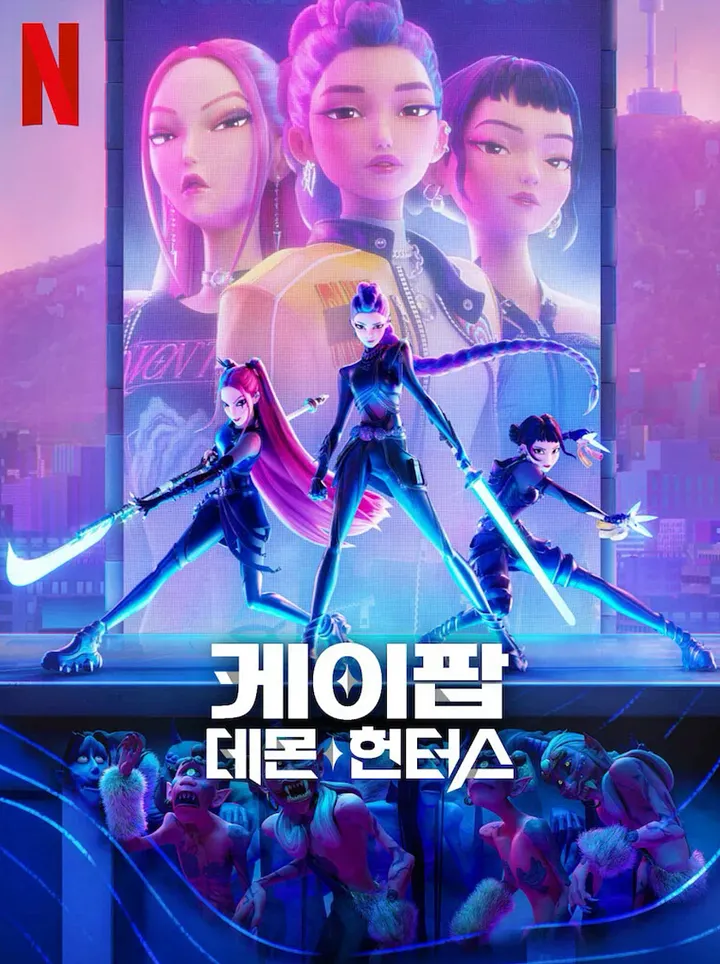
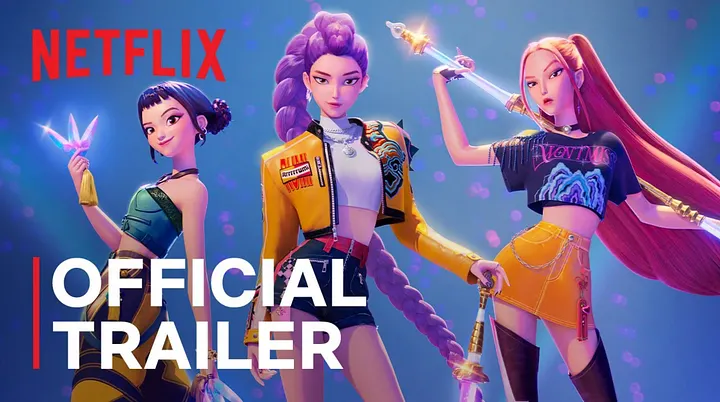
This is the main promotional poster, featuring the trio ‘Huntr/X’ (Rumi,Mira,and Zoey) standing on stage with Seoul’s skyline behind them, including N(Nanmsan) Seoul Tower.
If perfectly captures the blend of K-pop glamour and supernatural action.
🦅 1. The Bird: Harbinger of Spirits
In many scenes, a bird appears before something supernatural happens.
This isn’t just random — in Korean folklore, birds often symbolize messengers from the spirit word.
- Magpies, for example, are seen as bearers of news — good or bad.
- The may the bird hovers or flies in circles in the series hints at the arrival of otherworldly beings.
It’s subtle but deeply meaningful if you know the background.
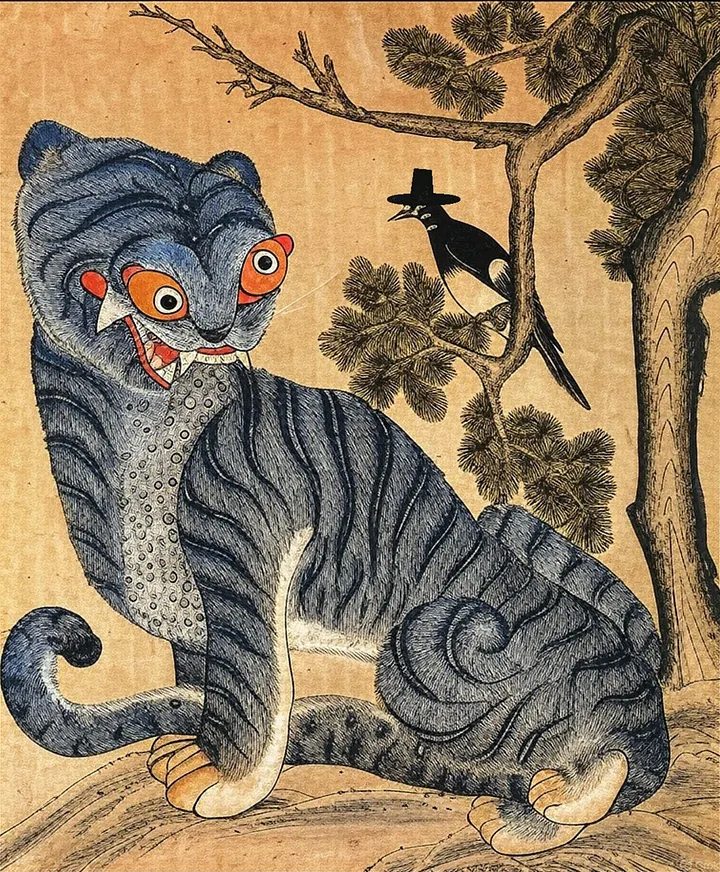
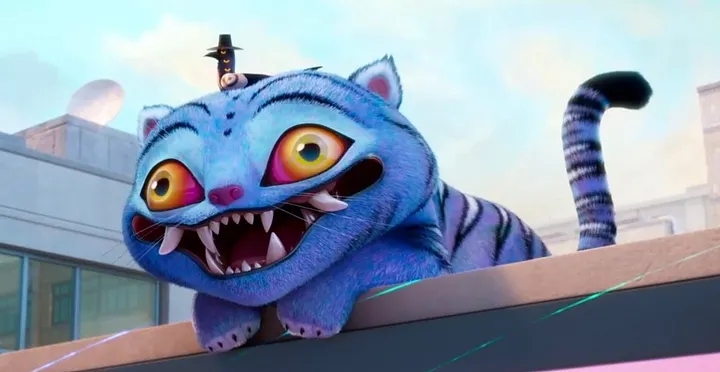
🐅 The Haetae: Guardian of Justice and the Spirit World
A recurring image in the series is the Korean tiger.
To Koreans, the tiger is more than just an animal — it’s a protector and spiritual force.
In Korean mythology, the Haetae(해태) is a legendary beast — part lion, part unicorn — often confused with a tiger due to its bold, fierce appearance.
- Known as a guardian fire and injustice, the Haetae is often placed in front of palaces and temples to word off evil.
- In ‘K-pop Demon Hunters’, its appearance represents spiritual protection, divine judgment, and a call to moral clarity.
The creature’s design borrows from traditional stone sculptures (called Haetae statues) found throughout Seoul, especially near Gwanghwamun Gate.
This brings a deeper symbolic power to scenes where the Haetae appears — as if the old soul of Korea is protecting the new.
🐉 Who Is the Haetae?
The Haetae (also Haechi) is Korea’s mythical creature of justice and protection — a hybrid beast combining the strength of a lion, the wisdom of a dragon, and the divine sense of a unicorn.
It is said to ward off fires, judge moral wrongs, and guard sacred spaces.
🧿 3. Traditional Korean Symbols and Patterns
Thtoughout the show, you’ll notice intricate patterns on clothing, weapons, and demon marks.
These aren’t random designs — they are inspired by real Korean shamanic symbols and Buddhist protective charms.
- Trigrams (☰ ☷ ☵ etc.) from the Korean flag sometimes appear in stylized forms.
- Patterns like lotus flowers or clouds are used to suggest purity or spiritual power.
These symbols ground the show in a visual language that’s deeply Korean but globally appealing.
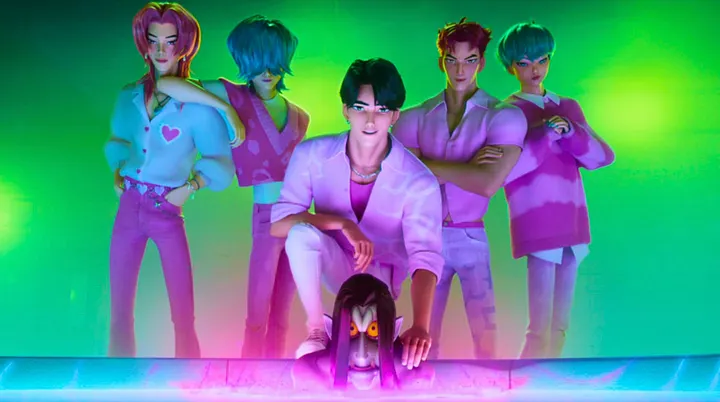
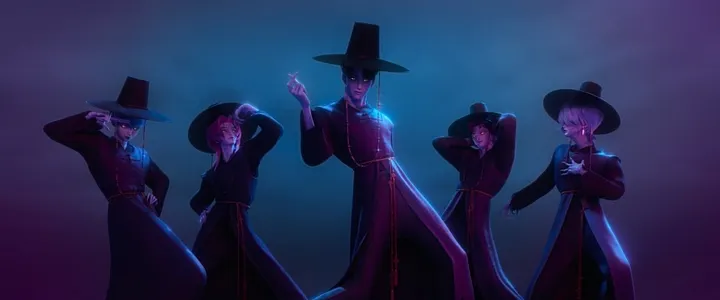
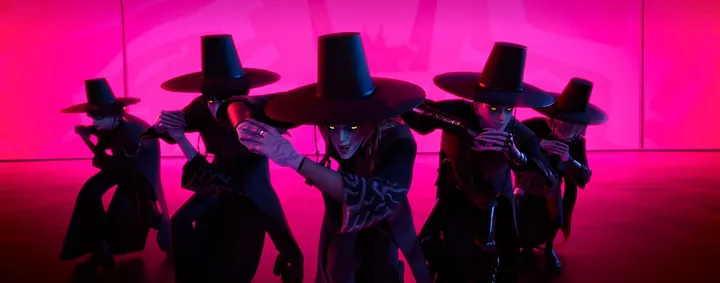
👹 4. The Korean Grim Reaper: Jeoseung Saja (저승사자)
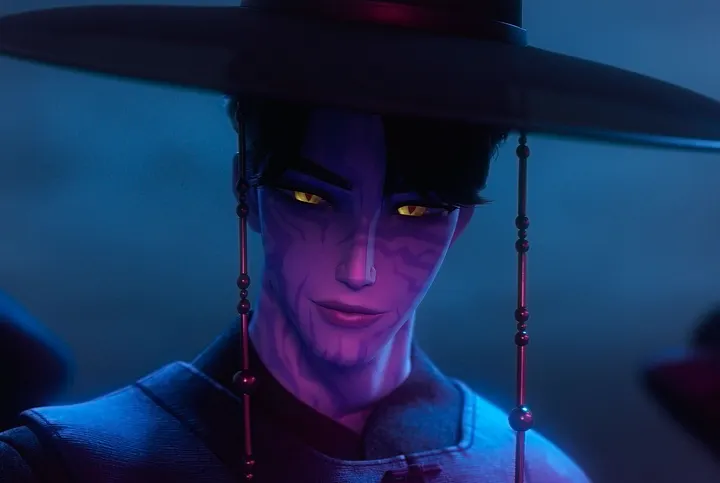
One of the most mysterious figures is the Korean-style grim reaper, Knows as ‘Jeoseng Saja’.
They are not evil — but spiriual guies who escort souls to the afterlife.
- Traditionally, they wear black hanbok and carry a soul-summoning baton.
- In the series, the reapers are modernized with sharp aesthetics — blending street fashion with folflore.
The contrast between death and glamour creates a hauntingly cool image.
🌕 Conclusion
K-pop Demon Hunters doesn’t just entertain —
it brings Korean folklore into the global spotlight through stunning visuals and symbolism.
If your’re watching it for the fashion and music, you’re not wrong.
But if you look deeper, you’ll find layers of heritage, history, and hidden meanings — all wrapped in a K-pop rhythm.